The cheapest companies for full coverage car insurance
The average cost of full coverage car insurance is $194 per month, as of 2026. According to our analysis, Travelers offers the cheapest full coverage insurance at an average of $122 per month. Take a look at other cheap full coverage options below.

Travelers’ full coverage averages $122 per month for comprehensive and collision coverages.

American Family full coverage comes in slightly higher at $132 per month, on average.

USAA full coverage averages $141 per month for comprehensive and collision coverages. Keep in mind that USAA coverage isn’t available to everyone.
Car insurance quotes from real drivers
These quotes came straight from The Zebra’s comparison tool. We search, you save.

This quote from Bristol West helped a Not Provided Not Provided driver in Not Provided cut their insurance costs.

Our licensed agents guided a driver in Douglas, WY to find this smart deal on their Ford Edge with The General.

Drivers in Wernersville, PA are getting smart deals on Subaru Forester coverage from GEICO.

This quote from Liberty Mutual helped a Honda Civic driver in Beaufort, NC cut their insurance costs.

Our licensed agents guided a driver in Richmond, IN to find this smart deal on their Dodge Avenger with Progressive.

Drivers in Springdale, AR are getting smart deals on Chevrolet Silverado 1500 coverage from Root Insurance.

“Full coverage” isn’t exactly a real thing. People often assume it means they’re completely protected, but it’s more complex than that. Full coverage typically includes both comprehensive and collision, but people don’t realize it also involves extras like rental car coverage and roadside assistance, which you pay extra for.”
-Katie Gold, Head of Agency at The Zebra
How much does full coverage car insurance cost?
Full coverage auto insurance comes in at around $194 per month, assuming liability coverage limits of 50/100/50. If you’re considering upgrading from a liability-only policy to a full coverage plan (with $500 collision and comprehensive deductibles) you can expect your monthly auto insurance premium to go up by approximately $88.
While your state may only require liability coverage, we highly recommend considering additional coverage options to safeguard both you and your valuable assets. It’s worth noting that a whopping 70% of The Zebra’s customers choose to go with full coverage when they purchase a policy. Look at the tables below to get an idea of the average monthly costs of minimum and full coverage.
| Company | Avg. Monthly Premium | Avg. 6 Mo. Premium |
|---|---|---|
| Travelers | $107 | $641 |
| USAA | $109 | $653 |
| Nationwide | $120 | $721 |
| GEICO | $122 | $735 |
| American Family | $125 | $748 |
| State Farm | $125 | $752 |
| Progressive | $151 | $906 |
| Allstate | $196 | $1,177 |
How to find the best full coverage car insurance
Discovering budget-friendly full coverage car insurance can be a straightforward process when you invest some time in comparing rates from different insurance providers.
Our rate analysis shows Travelers and USAA are the top choices if getting the cheapest price is your priority. But don’t stop there — many insurance companies are ready to offer you full coverage plans. However, depending on your needs, certain companies might be a better fit than others.
To begin your search on the right foot, look at some top-rated options for full coverage based on specific priorities.
Zebra Tip: Look for insurers with good customer satisfaction ratings
Remember that the cheapest car insurance may not always be the best option. Take a look at the 2026 results of The Zebra Customer Satisfaction Survey to see which companies deliver the highest levels of service and satisfaction to their customers. We’ve provided a brief overview of the top contenders below.
The best companies for full coverage
While USAA is only available to military members and their families, this company is renowned for its customer service and came in first place for auto insurance in The Zebra’s customer satisfaction survey. We also found it has the second-cheapest average rate for full coverage.

Erie is a regional insurance company that serves the Northeast and Midwest, but it could be a great option if it’s available for you. While finding affordable car insurance for teen drivers is always a challenge, our data indicates Erie is cheaper than many of its competitors. The company also has a great reputation for good customer service, coming in seventh place in The Zebra’s customer satisfaction survey for auto insurance.

With coverage available in every state, State Farm came in first place for claim satisfaction in our customer satisfaction survey. For those who prefer personalized service, State Farm also has local agents available to help you with your car insurance policy.
What exactly is full coverage car insurance?
The term ‘full coverage’ might seem a bit confusing as it encompasses different types of coverage, including comprehensive, collision, and higher liability limits. For most folks, full coverage insurance is about safeguarding your vehicle and covering injuries and property damage.
When searching for full coverage auto insurance quotes, remember that ‘full coverage’ essentially combines two types of physical damage coverage: comprehensive and collision coverage. These two and the mandatory liability coverage as per your state make up a comprehensive full coverage car insurance policy.
What full coverage doesn’t include
‘Full coverage’ typically includes collision and comprehensive insurance, but it does not cover everything. Important protections like higher liability limits, personal injury coverage, and extras like rental car reimbursement may require separate policies.
Consider adding these optional coverages for more complete protection:
- Uninsured/underinsured motorist coverage
- Medical payments coverage (MedPay)
- Personal injury protection (PIP)
- Roadside assistance and towing
- Rental car reimbursement
- Gap insurance
- Custom parts coverage

If you noticed the cost of your insurance go up in the past year, you’re not alone. According to our data, 43% of The Zebra’s customers say they’re paying too much for auto insurance. Rates in 2024 increased by over 20% year-over-year.[1] It’s more important than ever to compare rates, shop around, and check for discounts. Remember that rate increases aren’t always related to you as a driver; sometimes, it is simply a business decision that reflects the current economy.
Is full coverage auto insurance required?
Unlike liability coverage, full coverage isn’t legally required by states. However, full coverage insurance is likely a requirement by your lender if you are leasing or financing a vehicle.
We recommend carrying full coverage if your vehicle is worth more than $4,000, if your vehicle will eventually be resold, or if the drivers of your vehicle are younger, less experienced or have a history of accidents. See the list below for more details.

Full coverage is typically required if you’re leasing or financing a vehicle, and our data shows that around 41% of drivers fully own their vehicles. If you don’t own the vehicle outright, then ensuring comprehensive protection is essential. Lenders often mandate full coverage to safeguard their investment, sometimes referred to as “force-placed” or “collateral protection” insurance.

Insurance experts suggest carrying full coverage if your vehicle is worth more than $4,000. To determine your vehicle’s value, you can use resources like Kelley Blue Book or NADA online. Full coverage is designed to protect your car. However, if your vehicle isn’t worth much, full coverage might not be the most cost-effective choice, especially if you have a substantial emergency fund that can cover potential damages or replacement costs.

If the vehicle will be resold in the future, full coverage insurance is a wise investment. If the vehicle were totaled — either in a collision or in adverse weather — the insured party would have no recourse.

While age doesn’t always determine driving skills, young drivers and teens might benefit from adding collision coverage. Similarly, full coverage insurance can provide valuable financial protection from potential future accidents if you have a history of accidents. Again, vehicle value plays a role; if the car isn’t worth much, full coverage might not be necessary.
Full coverage vs. state minimum: Which costs more?
Full coverage will likely be more expensive. By boosting your coverage from the minimum amount to add collision and comprehensive insurance, expect to pay over double what you were paying for just the state-required minimum amount of liability insurance.
This disparity in pricing is less apparent if you already carry comp and collision coverage. Whether you have a $500 or $1,000 deductible, the difference in premium between coverage levels maxes out at about 15%.
If you’re looking to save the most on full coverage, consider lowering your liability limits to your state’s minimum required amount to offset the cost of comp and collision. Keep in mind: your location, vehicle, age, and driving record will impact your car insurance rate. Use The Zebra to instantly find the cheapest car insurance for you, online.
State-by-state cost analysis
Explore the table below to see your state’s average rates for basic and full liability coverage.
In this instance, full coverage refers to 50/100/50 liability limits and comprehensive and collision deductibles at $500 each — a fairly typical coverage level in the U.S.
Gap insurance comes into play when there’s a gap between the value of your totaled vehicle and what you still owe on a loan. It’s particularly useful for newer or high-value vehicles. To have gap coverage, you typically need both collision and comprehensive coverage. It might be included in your lease agreement if you’re leasing a vehicle, but confirming that your insurance covers it is crucial.
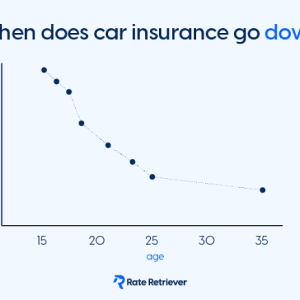
Age plays a significant role in determining your car insurance rates, along with other factors. Younger, less experienced drivers typically pay the highest premiums due to their increased risk of accidents. As drivers gain experience and maintain a clean record, rates tend to decrease. For example, drivers in their 40s and 50s generally pay much less than those in their 20s. However, rates may start to rise again for drivers in their mid-70s.
The table below highlights average full coverage insurance rates by age group from top providers.