What are the different types of car insurance coverage?
Car insurance coverage can be divided into two primary categories: liability and physical damage protection. Liability coverage protects other drivers and their property from damage you cause. Physical damage coverage, i.e., collision and comprehensive, protect the physical integrity of your vehicle.
Liability insurance
Generally, all drivers are required to carry bodily injury and property damage liability coverage. Depending on your state, your liability requirements will change. The following table shows the liability limits for the state of Texas.
| 30 / | 60 / | 25 |
|---|---|---|
| $30,000 in bodily injury coverage per person | $60,000 in bodily injury coverage per incident | $25,000 in property damage per incident |
How each coverage works
- $30,000 in bodily injury coverage per person is the total dollar amount that will be paid for a single person that you injure in an auto accident.
- $60,000 in bodily injury coverage per accident is the maximum dollar amount that will be paid for all injuries that you cause in an accident in which more than one person is hurt.
- $25,000 in property damage per accident is the total dollar amount that will be paid for damage that you cause in an accident.
If you live in a no-fault insurance state, you’re also required to carry personal injury protection (PIP). A no-fault state means every driver is required to cover their own bodily injury damages after an accident — regardless of fault. PIP covers personal bodily injury and medical costs after an accident.
Physical damage coverage
Your physical damage coverage — collision and comprehensive — is designed to protect your vehicle from damage.
Collision coverage
Your collision coverage protects your vehicle if you collide with another object or vehicle. Collision coverage comes with a deductible — what you pay prior to your insurance company compensating you. Your deductible may vary depending on your and your insurance company’s preferences.
Comprehensive coverage
Your comprehensive coverage works to protect your vehicle from circumstances other than a collision. Damage caused by weather, animals, theft, and vandalism is covered by comprehensive insurance. Like your collision protection, your comprehensive coverage also features a deductible.
For more information on physical damage coverage, see our additional articles below.
- What’s the Difference Between Comprehensive and Collision Insurance?
- How to Choose a Car Insurance Deductible
- Best Car Insurance with a $500 Deductible
- Best Car Insurance with a $1,000 Deductible
- Vanishing Deductible Coverage
- Full Coverage Car Insurance
- How to Get Car Insurance After a Coverage Lapse
What does car insurance cover?
Car insurance is meant to save you from paying the full amount of money required to repair the property or cover medical expenses if you get into an accident. Depending on your individual policy and its limitations, exclusions and endorsements, exact coverages vary — but every car insurance policy has a few of the same elements that are recommended to hold.
| Type of coverage | What it covers |
|---|---|
| Liability insurance | This coverage protects the other driver and their vehicle from damage you cause. There are two types of liability coverage under this umbrella: bodily injury liability and property damage liability. |
| Bodily injury liability | This covers medical expenses for the other driver for injuries relating to an accident you caused. |
| Property damage liability | This covers repairs and auto body shop expenses incurred for damage you caused in the accident. |
| Personal injury protection (PIP) | This covers medical expenses as well as lost wages, child care, and other losses incurred as a result of an accident, regardless of fault. |
| Medical payments (MedPay) | This specifically covers you and any passengers in your vehicle for medical expenses after an accident, regardless of fault. |
| Uninsured/underinsured motorist | This covers you in the event a motorist without insurance or without the proper limitations on insurance hits you. This includes uninsured/underinsured bodily injury coverage as well as property damage coverage. |
| Collision insurance | This refers to damage incurred by your vehicle colliding with another object. It pays for damage to your own car after such an accident |
| Comprehensive insurance | Comprehensive coverage offers protection for damage to your vehicle caused by any other reason than collision, like damage from storms, falling objects, vandalism, or contact with an animal. Comprehensive and collision are often referred to as “full coverage” as they are both optional unless you have a leased or financed vehicle. Both coverages come with a deductible. |
Additional coverages
Liability, collision, and comprehensive are the most popular insurance coverages. They’re required by most states for drivers leasing or financing their vehicles. Other coverages exist, as well.
Below are some additional resources explaining common car insurance coverage options.
- Car Insurance Endorsements
- Auto Insurance Coverage Calculator
- Car Storage Insurance
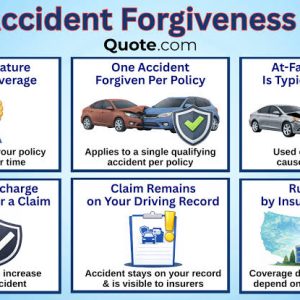
- Accident Forgiveness Coverage
- Total Loss Coverage
- Stacked vs. Unstacked Car Insurance
- New Car Replacement Coverage
- New Car Grace Period Coverage
- Mechanical Breakdown Coverage
- Car Insurance for Roadtrips
- Car Insurance for Drivers with Pets
- Car Insurance for Visiting Canada
- Car Insurance for Visiting Mexico
- Roadside Assistance Coverage
- Coverage Comparison: Roadside Assistance vs. AAA
Want to know what isn’t covered by insurance? Check out our guide to common car insurance exclusions. Ready to shop for insurance? Enter your ZIP code below to receive personalized quotes in minutes.